
Batteries play an essential role in our daily lives, powering everything from water data loggers to tracking devices used to monitor the welfare of endangered animals. However, all batteries have a specified operating temperature range, and keeping them within these limits is important for maintaining performance, reliability and lifespan. Battery performance in cold weather can be significantly affected, as low temperatures can reduce available capacity, limit power output and decrease efficiency.
In some cases, exposure to extreme temperatures or unsuitable operating conditions can also accelerate degradation or cause permanent damage. Understanding how batteries respond to cold conditions is therefore essential for ensuring reliable operation, particularly in remote monitoring applications where consistent power is critical.
Whether you use batteries in solar energy storage systems, inverters, electric vehicles, industrial equipment or backup power supplies, understanding how temperature affects battery performance is essential to getting the most from your power solution.
Batteries generate electricity through electrochemical reactions that move ions between electrodes. These reactions are directly influenced by temperature. Cold conditions can slow these reactions, reducing available capacity and power output, while excessive heat can accelerate chemical degradation and shorten battery lifespan.
In this guide, we explore how cold and hot weather affect different battery types, the recommended operating temperatures for common chemistries, and practical ways to protect your batteries and maintain reliable performance throughout the year.
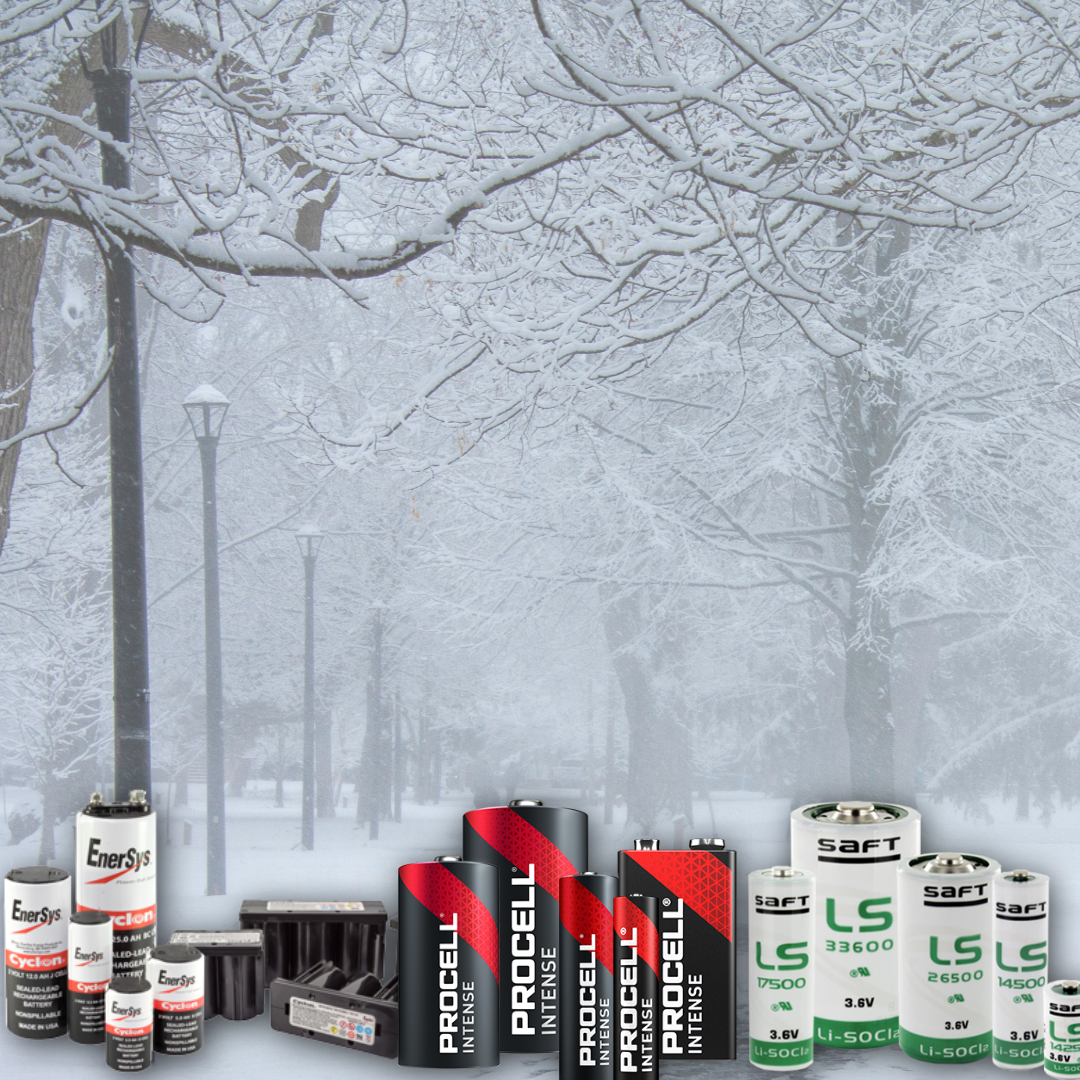
1. Increased Internal Resistance – Cold temperatures increase internal resistance, causing voltage drops and reducing power output.
2. Reduced Battery Capacity – Batteries deliver less usable energy in cold conditions. Some may lose around 20% of their capacity near freezing, with greater losses in extreme cold.
3. Temporary Performance Loss – Cold-related capacity loss is often temporary. When the battery warms to its recommended operating temperature, much of its available capacity may return.
4. Charging Risks – Charging lithium-ion and LiFePO₄ batteries below their permitted temperature range can cause permanent damage through lithium plating. A suitable battery management system (BMS) helps prevent unsafe charging.
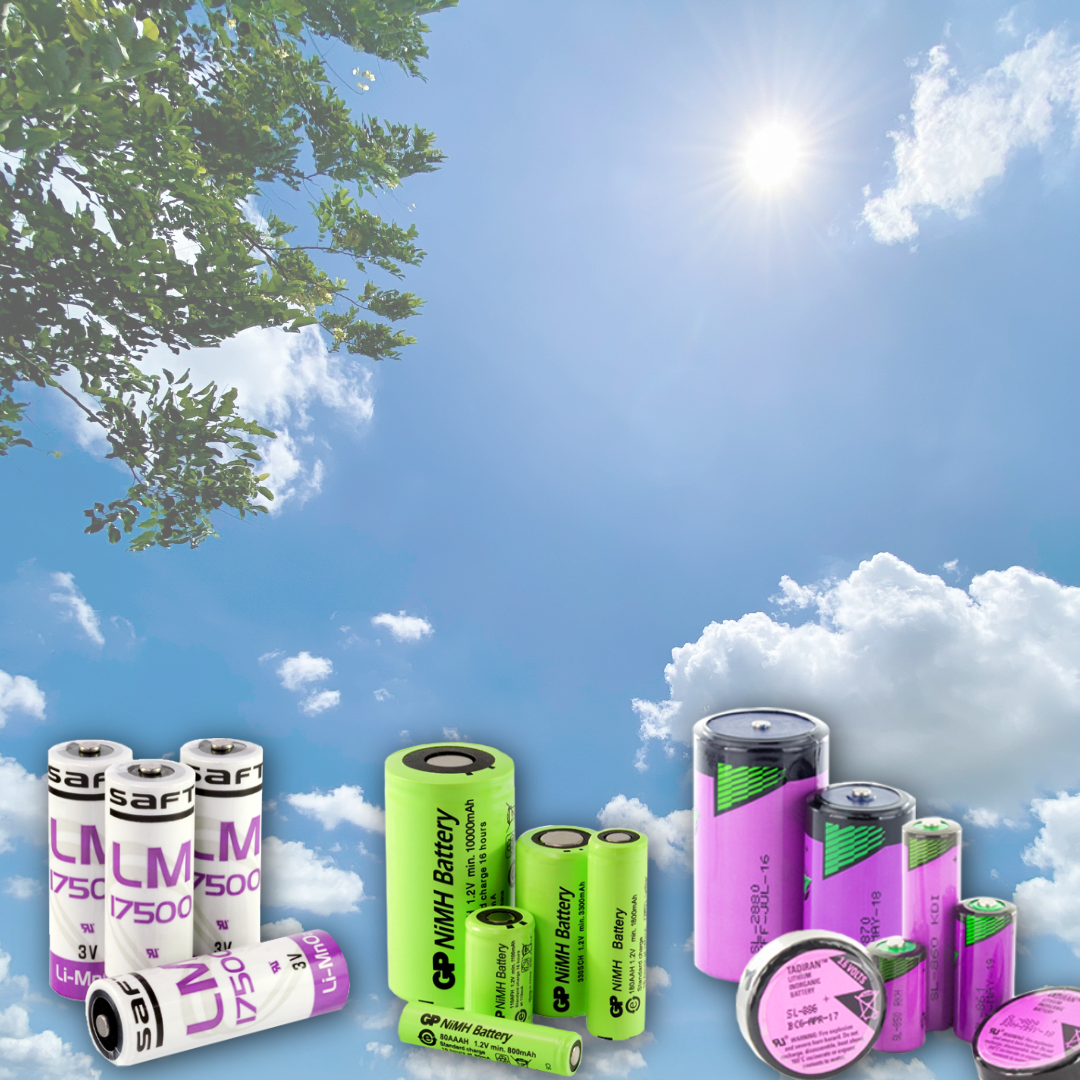
1. Temporary Improvement in Power Delivery – Moderate warmth can reduce internal resistance, allowing a battery to deliver current more efficiently. However, this does not necessarily increase its stored energy.
2. Faster Battery Aging – Excessive heat accelerates chemical reactions, reducing battery capacity and lifespan over time.
3. Damage to Internal Components – Heat can damage lithium-ion battery components and accelerate corrosion and water loss in lead-acid batteries, causing permanent capacity loss.
4. Increased Safety Risks – Extreme heat can cause swelling, gas buildup, and, in some lithium-ion batteries, thermal runaway, potentially leading to fire. Proper ventilation, temperature monitoring, and suitable charging protection help reduce these risks.
| Battery chemistry | Typical discharge / operating range | Typical charging range | Cold-temperature performance | High-temperature performance | Key considerations |
|---|---|---|---|---|---|
| Lithium-ion (li-ion) | -10°C to +60°C | 0°C to +45°C | Capacity and power output reduce as temperature falls. | Elevated temperatures accelerate ageing and degradation. | High energy density, but requires careful thermal and charging management. |
| LiFePO4 (LFP) | -10°C to +60°C | 0°C to +40°C | Reduced available capacity and increased internal resistance in cold conditions. | Generally good thermal stability, although elevated temperatures still accelerate ageing. | Long cycle life and good thermal stability. |
| Lithium Polymer (LiPo) | -10°C to +60°C | 0°C to +45°C | Reduced capacity and discharge performance in cold conditions. | Elevated temperatures can accelerate degradation and affect cell integrity. | Lightweight, flexible form factors and high energy density. |
| Lithium Thionyl Chloride (Li-SOCl2) | -55°C to +85°C (Tadiran have an extended temperature range-55°C to +130°C) | Not rechargeable | Certain cells offer excellent low -temperature operation, including specialist options for very cold environments (Saft LS Cells can perform down to -60°C). | Generally good operating temperature capability, depending on cell design. | Excellent energy density and long shelf life. Particularly suited to low-current, long-life applications. |
| Alkaline | -18°C to +55°C | Not rechargeable | Available capacity and voltage performance decrease in cold conditions. | Elevated temperatures can accelerate deterioration and leakage risks. | Readily available and cost-effective for lower-power applications. |
| Nickel Metal Hydride (NiMH) | -20°C to +50°C | 0°C to +45°C | Reduced capacity and performance at low temperatures. | Higher temperatures can accelerate self-discharge and ageing. | Rechargeable alternative for applications where lithium isn’t suitable. |
| Nickel Cadmium (NiCd) | -20°C to +60°C | 0°C to +70°C | Generally performs well in cold environments compared with many rechargeable alternatives. | Can tolerate relatively high operating temperatures, depending on cell design. | Robust and durable, but cadmium presents environmental and regulatory considerations. |
| Sealed Lead Acid (SLA) | -20°C to +50°C | -15°C to +40°C | Reduced available capacity and increased internal resistance. | Higher temperatures significantly accelerate ageing and reduce service life. | Established technology, often used in standby power and backup applications. |
| Lithium Manganese Dioxide (Li-MnO2) | -20°C to +60°C | Not rechargeable | Performance and available capacity reduce at low temperatures. | High temperatures can accelerate self-discharge and ageing. | High energy density, commonly used in compact primary battery applications. |
See our range of batteries here: Products – Cell Pack Solutions
1. Maintain the Right Temperature
Keep batteries away from direct sunlight, extreme cold, and excessive heat. Install them in a sheltered location with stable temperatures.
2. Ensure Proper Ventilation
Allow adequate airflow around batteries and inverters to prevent overheating. Follow the manufacturer’s installation guidelines.
3. Avoid Overcharging
Use a charger or inverter with the correct charging settings for your battery type to prevent overheating and premature degradation.
4. Protect Batteries in Winter
Use approved insulation or heating where needed. Never charge lithium batteries below their permitted temperature.
5. Limit Heat Exposure
Avoid leaving batteries in hot vehicles or poorly ventilated spaces. Follow the manufacturer’s storage temperature and charge recommendations.
At Cell Pack Solutions, we help you choose, integrate, and optimise battery solutions for your project’s specific requirements.
Whether you need reliable primary battery cells, rechargeable batteries, or custom battery packs, our team can help you identify a suitable solution for your application, operating environment, and performance requirements.
Looking for the right battery solution for your project? Contact Cell Pack Solution to discuss your requirements and explore the options available.
Contact us today to speak with a battery expert